iStock/hong2
A Lunds & Byerlys chef details how to make heads or tails of cooking lobster.
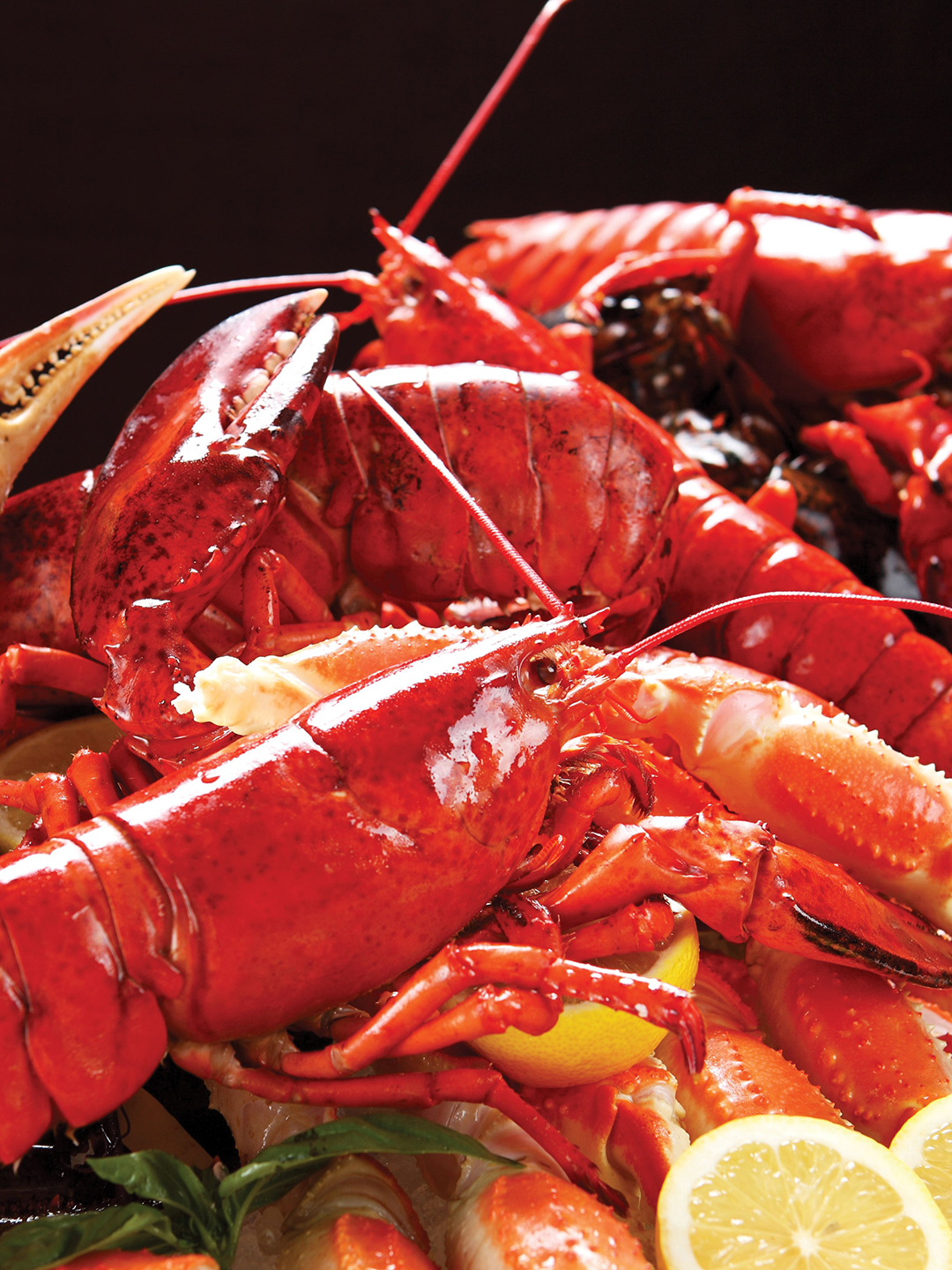
Lobster is a decadent ingredient that poses a quandary for some when it comes to preparing it at home. In the realm of seafood, the maxim is “fresh is best.” Maple Grove’s Lunds & Byerlys delivers live lobsters via special order, while also supplying packaged tails for a less fussy but no less elevated dinner engagement.
Whichever way you want to crack it, Lunds & Byerlys executive chef of product research and development, Anthony Leonhardi, shares nearly three decades worth of culinary know-how just in time to help us celebrate National Lobster Day on June 15.
For live lobster, Leonhardi advises that the fiestier, the better. When taken out of the tank, “if they try and get their claws out and they’re arching a tail, and they’re moving around, 100 percent that’s a good sign,” he says. Packaged lobster tails, which are usually frozen after processing, pose a different set of criteria. “Any sign of freezer burn—yellowing or orangeish [discoloration]—would be a sign that you want to avoid it,” he says. In both cases, Leonhardi recommends avoiding cracked or punctured shells.
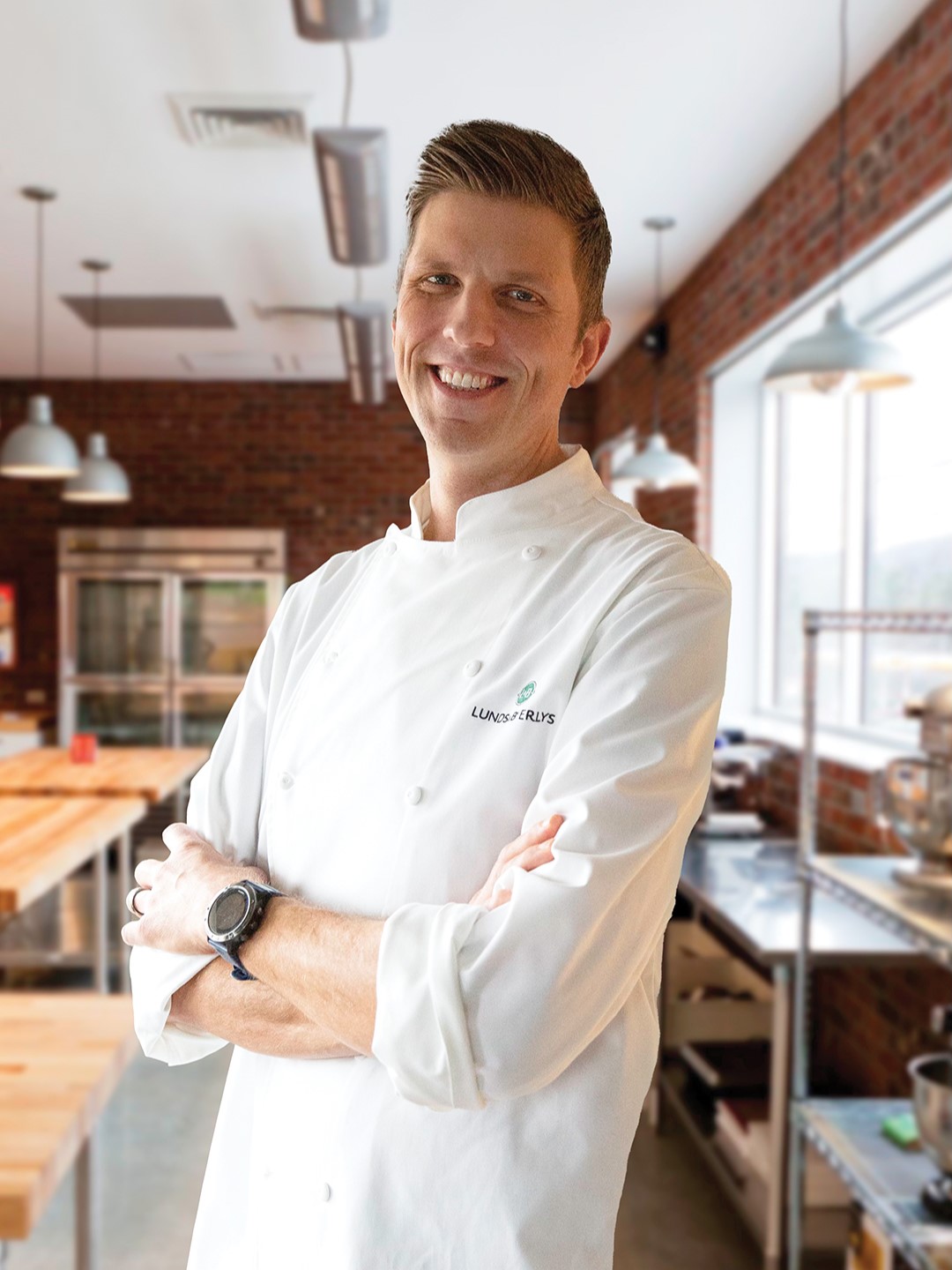
Anthony Leonhardi. Photo: Lunds & Byerlys;
As far as how to store a live lobster, Leonhardi’s response is immediate. “In a bin,” he says. “They will escape. They will move around.” For the home cook, he recommends an open plastic container with layers of damp paper towels as a blanket, stored in the refrigerator. “The colder, the better,” Leonhardi says. “Just not frozen.” But the freezer can have a part to play in this culinary foray, especially for those who have trepidations about dispatching their lobster. “You can basically put [lobsters] to sleep by putting them in the freezer for a couple of hours ahead of time,” Leonhardi says.
The next step varies based on cooking method and personal preference. For a grilled or stuffed lobster, Leonhardi recommends using a chef knife to split it in half, starting with the head. For a boiled or steamed lobster, he recommends a dip in boiling water, “salty like the sea,” replete with desired aromatics, such as garlic, lemon, onion, peppercorn and seafood seasoning packets. “It should have depth of flavor,” Leonhardi says.
Homecooks can avoid the notorious rubbery texture of overcooked lobster by using an instant read thermometer inserted in the thickest part of the tail. “I would target 145 [F],” Leonhardi says. “They don’t take that long.” Once the target temperature is achieved, Leonhardi says he starts breaking down the lobster while it’s still warm to avoid carry-over cooking.
Processing cooked lobster can take some finesse, but Leonhardi eschews dedicated seafood crackers in favor of his tried and true method: “The back end of a chef knife. It will do the job,” he says. “You have to be careful because it’s a chef knife, but you don’t need all the gimmicky tools.”
Most of the lobster meat will twist out and separate easily. If the tail is posing a problem, Leonhardi advises to roll it on its side and apply gentle pressure—you should hear a crack. Claws also take an extra bit of effort—get them started with the measured whack of a mallet or back end of a chef knife. And, if you’re looking to get the kids involved, Leonhardi recommends giving them a rolling pin to squeeze out the leg meat. “They get a giggle out of it,” he says. “Then they’re more apt to [eat] it because it was fun.”
Get Scrappy
Lunds & Byerlys executive chef of product research and development Anthony Leonhardi says one of the common oversights homecooks make is discarding lobster scraps that have culinary potential. When Leonhardi was at the now shuttered Salut Bar Americain in St. Paul, “We would often save shells and then make a bisque in three months when you accumulated some shrimp shells and some lobster shells,” he says.
If a seafood bisque isn’t in your immediate future, Leonhardi recommends saving the shells in the freezer for up to six months to fortify a vegetable broth. “Buy a premade veggie stock, put in your lobster tail, [boil], and it will just give it a really nice essence,” he says, adding that the broth will lend itself to a pasta sauce, risotto or soup base.
Lunds & Byerlys
Instagram: @lundsandbyerlys